

Introduction
- Hyaluronic acid (HA)-based dermal fillers have become the top injected soft filler agent around the world, with over 1.8 million procedures reported in 2021 in the United States.1
- Once injected into the skin, crosslinked HA-based fillers integrate into dermal tissue and bind water molecules which volumize, soften, and hydrate the skin. The gel’s physical properties influence how it spreads in tissue after the injection.2 These properties also affect the product’s durability.
- RadiaNt Derm (DKL 23 mg/mL) is a sterile, injectable, pyrogen-free crosslinked sodium hyaluronate 23 mg/mL dermal filler from non-animal origin in a phosphate-buffered saline solution. The gel is latex-free, viscoelastic, clear, colorless and biodegradable. The crosslinking agent is 1,4 butanediol diglyceryl ether (BDDE). The device is provided in a disposable graduated and pre-filled syringe.
- DKL 23 mg/mL is intended for correction of facial deep skin depressions, face contouring and volume restorations via facial tissue augmentation. Intended use is specific to a country of approval. Refer to product IFU.
- The purpose of the study (NCT 05021913) was to collect performance and safety data associated with the implantation of DKL 23 mg/mL in healthy subjects desiring aesthetic improvement in appearance of nasolabial folds (NLFs).
Methods
- The study was a single-center pivotal, prospective, active-controlled, randomized, evaluator- and subject-blinded, intra-individual split face comparison study conducted by CTC Clinical Trial Consultants AB in Uppsala, Sweden.
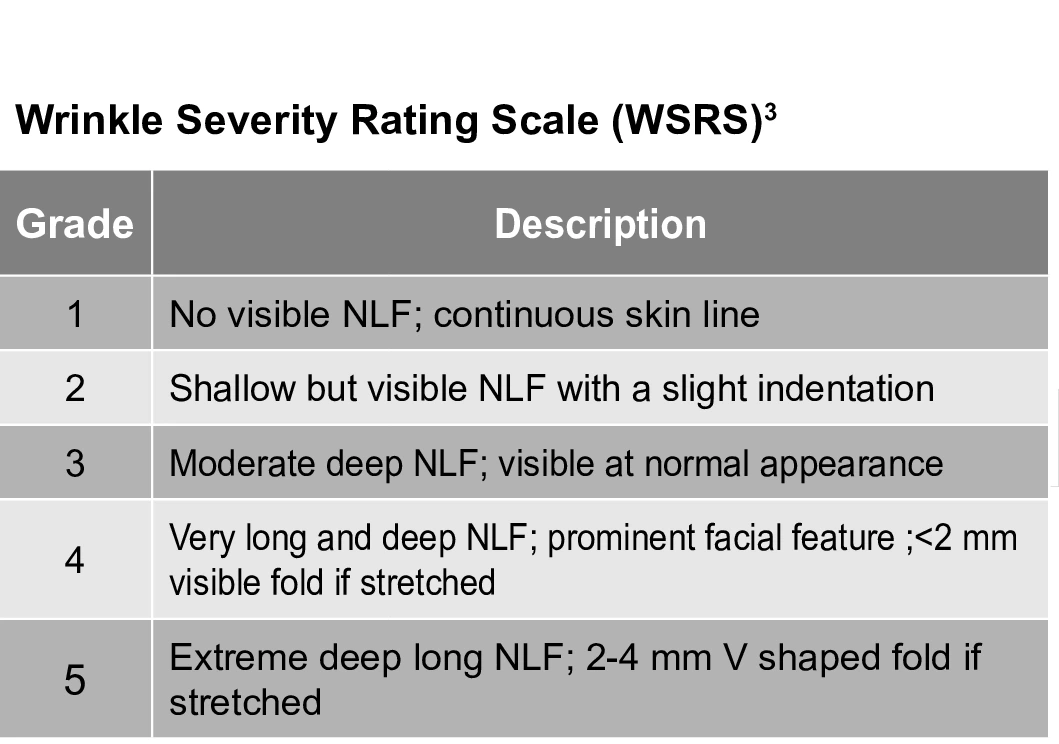
- Study population: males and females aged 18–65 years with moderate to severe bilateral aging defects in the nasolabial area (NLF) with wrinkles classified as grade 3 or 4 according to the NLF Wrinkle Severity Rating Scale (WSRS)3 on each side. NLFs were to be of the same grade on the left and right side of the face (i.e., approximate bilateral symmetry).
- The subjects were randomized to be treated with DKL 23 mg/mL in the right NLF and Juvéderm Volift + 0.3 % lidocaine in the left NLF or vice versa.
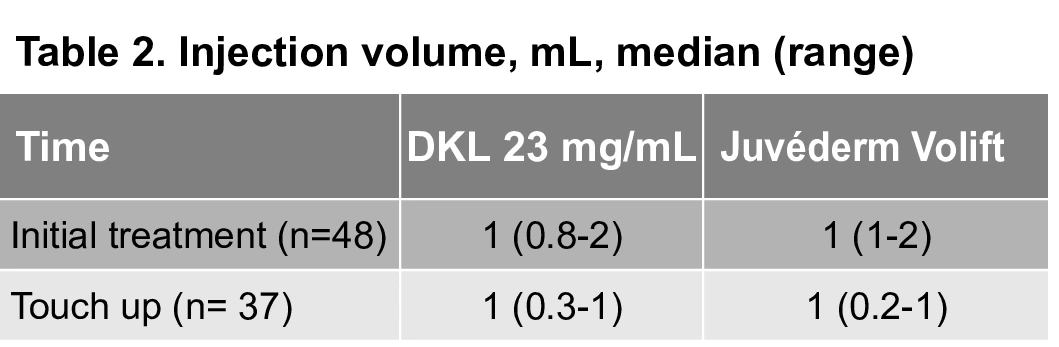
- At baseline (Day 0) subjects were injected with up to 2 mL of filler per side (per investigator discretion). Prior to treatment with the filler, the NLFs of both sides were anesthetized with lidocaine solution for injection 10 mg/mL.
- Optional touch-up was performed after 30 days (the same dermal filler was injected into each side).
- Follow-up was performed at 30, 90, 180 and 270 days.
- Performance was evaluated by a blinded investigator.
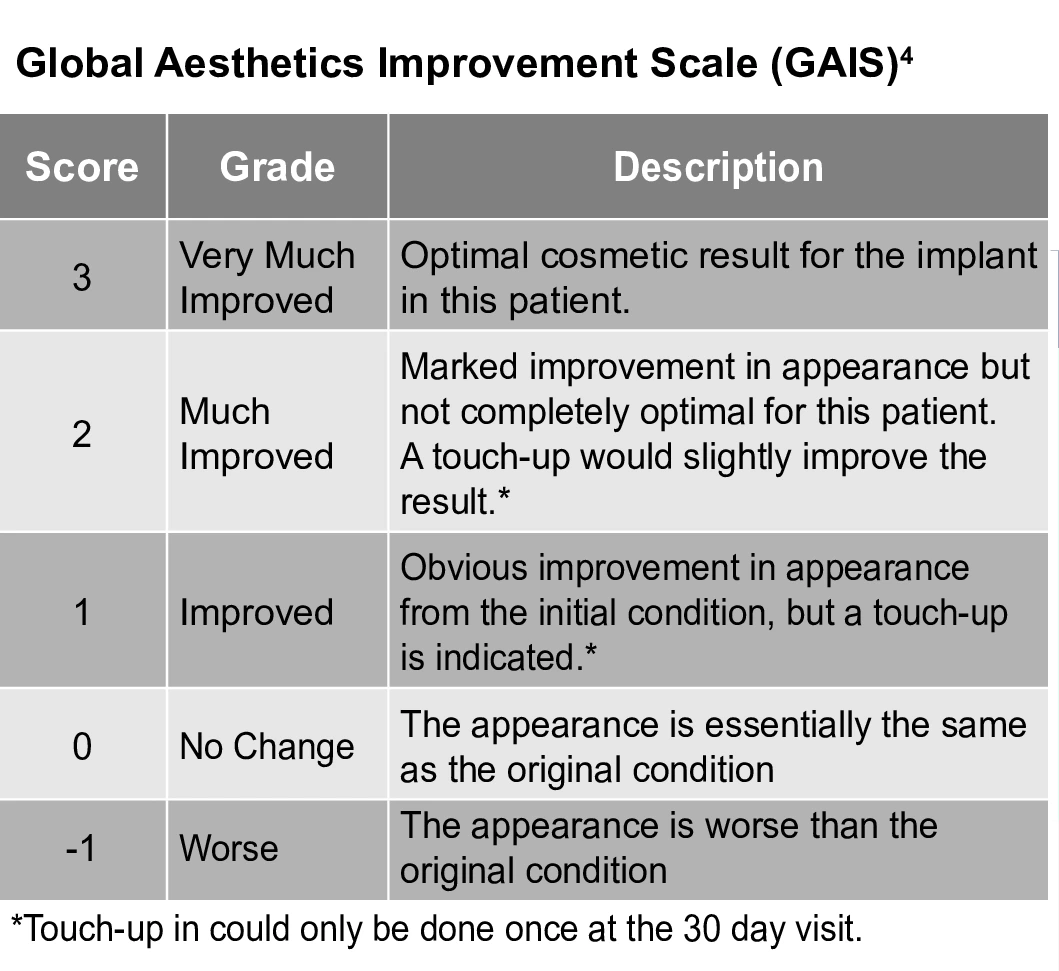
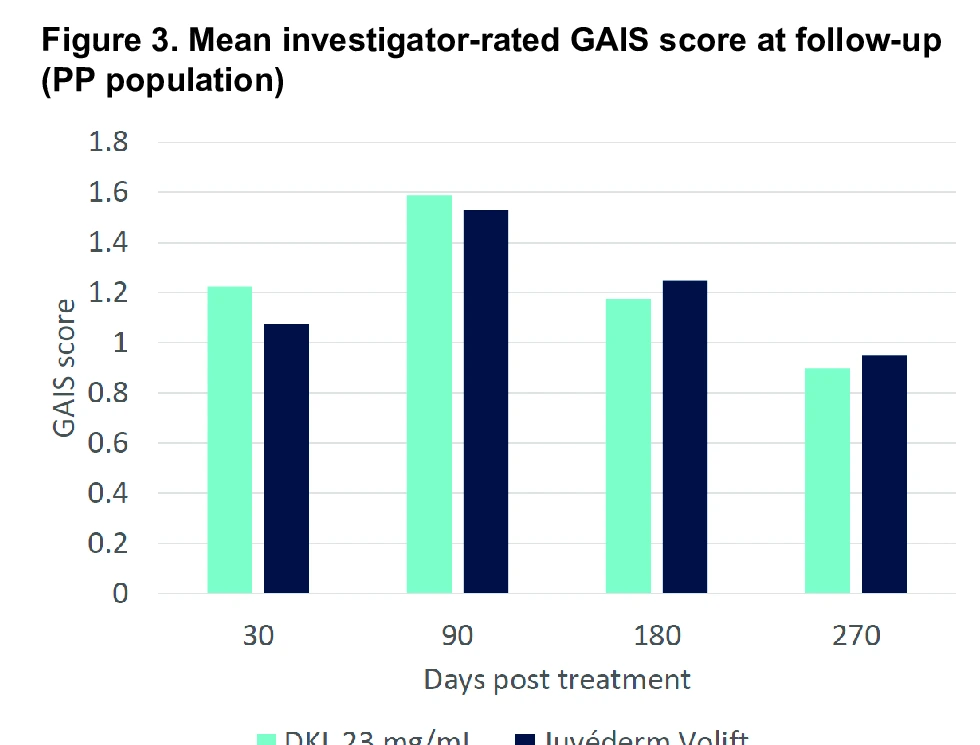
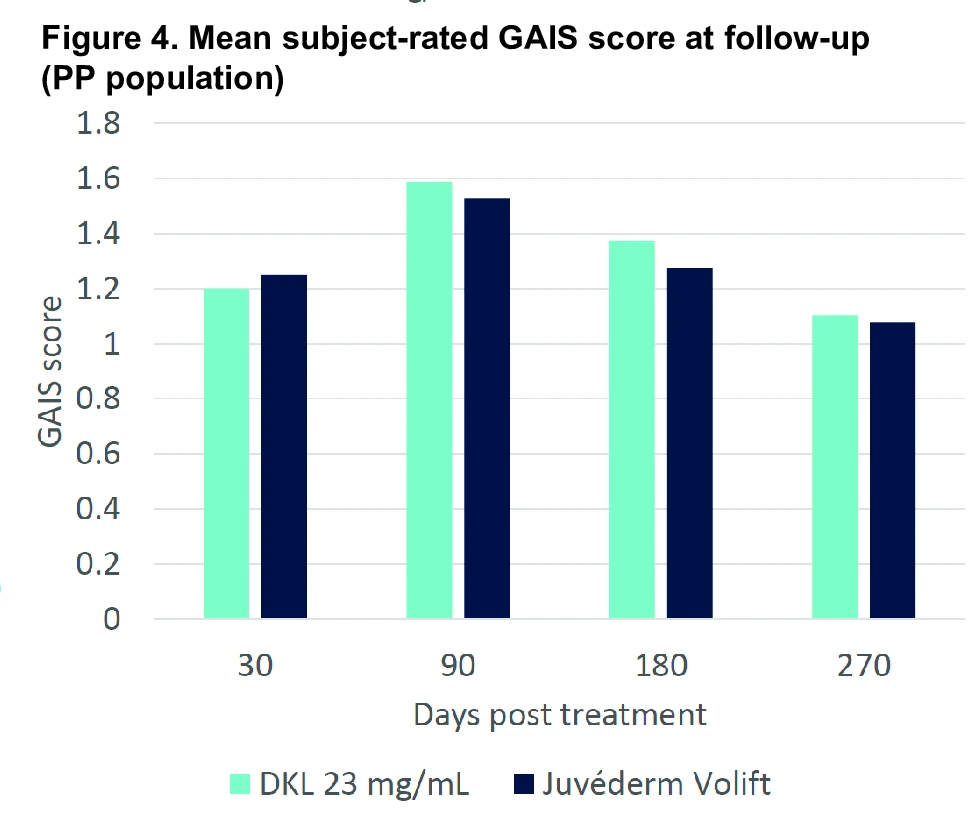
- Performance outcomes: WSRS, investigator-rated Global Aesthetics Improvement Scale (GAIS)4, subject-rated GAIS.
- Safety was evaluated by adverse events (AEs). Local tolerability including symptoms of redness, tenderness, swelling, bruising, and pain was assessed using subject diaries for 14 days after the first treatment session and after touch-up.
- Subject Satisfaction Questionnaire.
- The per protocol (PP) population included subjects who received the initial treatment and had the 6-months assessment.
Results
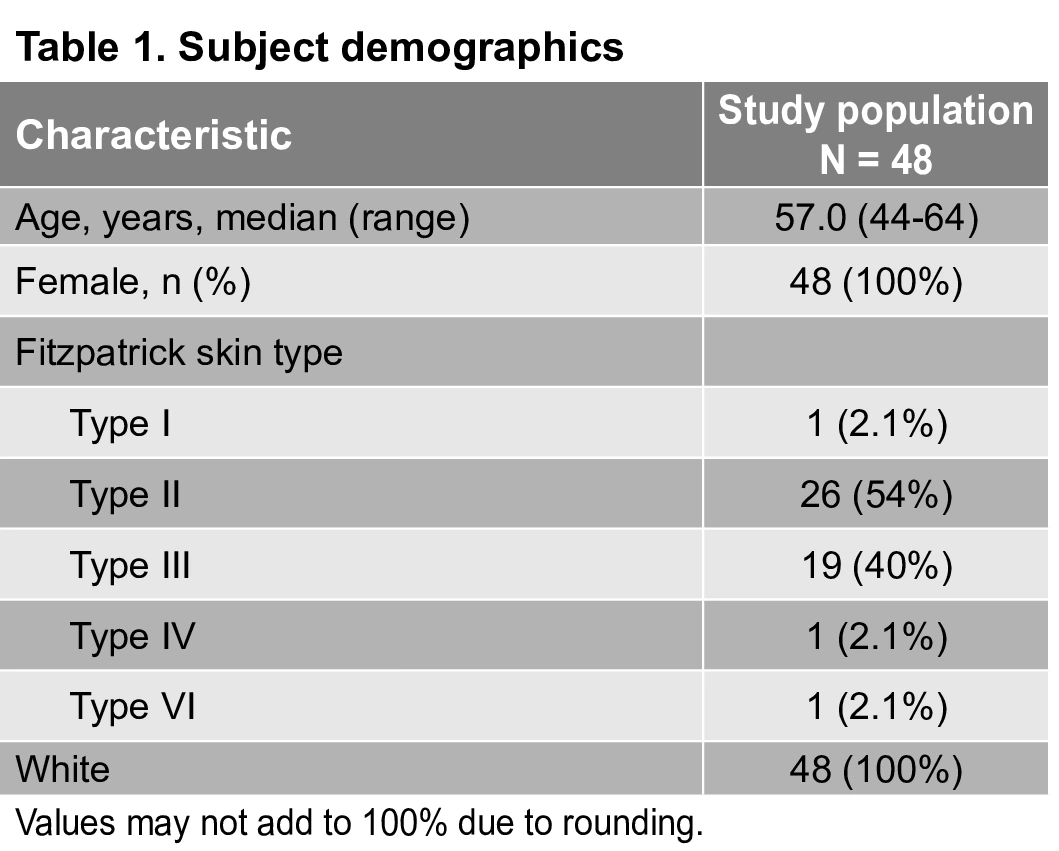
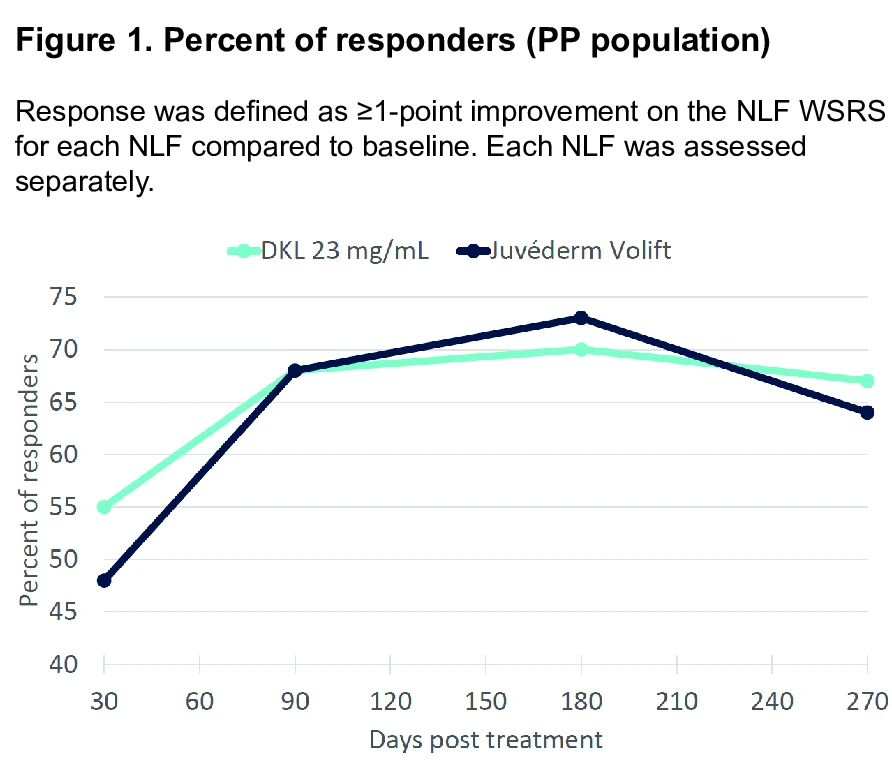
Forty-eight subjects were treated. Response was defined as a ≥1-point improvement on the NLF WSRS for each NLF compared to baseline; each NLF was assessed separately.
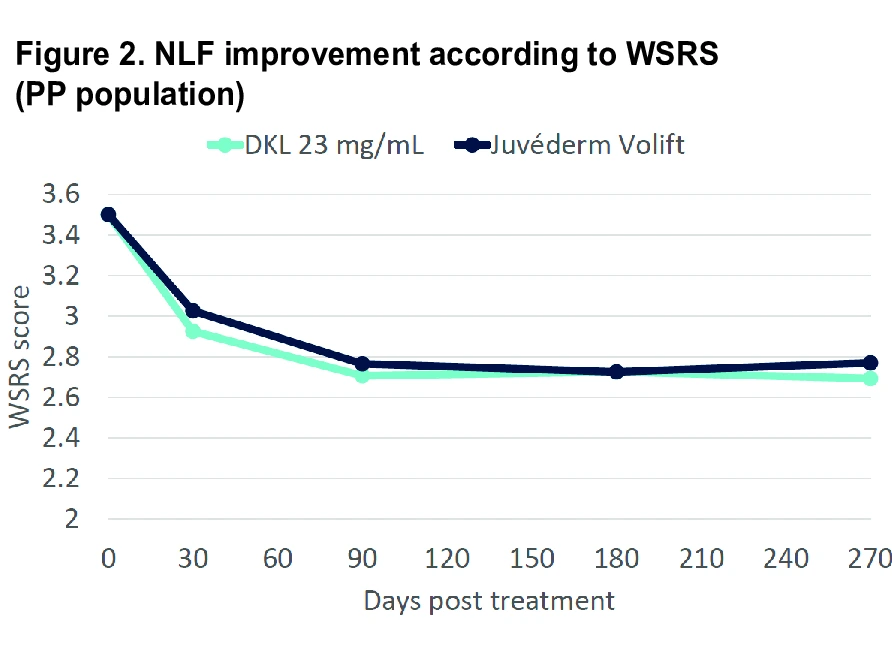
- Statistically significant improvements in WSRS were observed between each time point assessed and baseline (p<0.0001).
- No statistically significant differences were observed at each time point between DKL 23 mg/mL and Juvéderm Volift.
Safety
- Most subjects experienced local tolerability symptoms.
- The most common reactions reported in subject diaries were transient swelling/edema, bruising, redness and tenderness, which are generally expected post-treatment reactions in hyaluronic acid dermal fillers.
- The median duration for each reaction ranged between 1 and 4 days, with bruising having the longest duration for both products.
- The majority of symptoms were mild or moderate in intensity.
- No serious or unexpected related AEs were reported during the study.
Conclusions
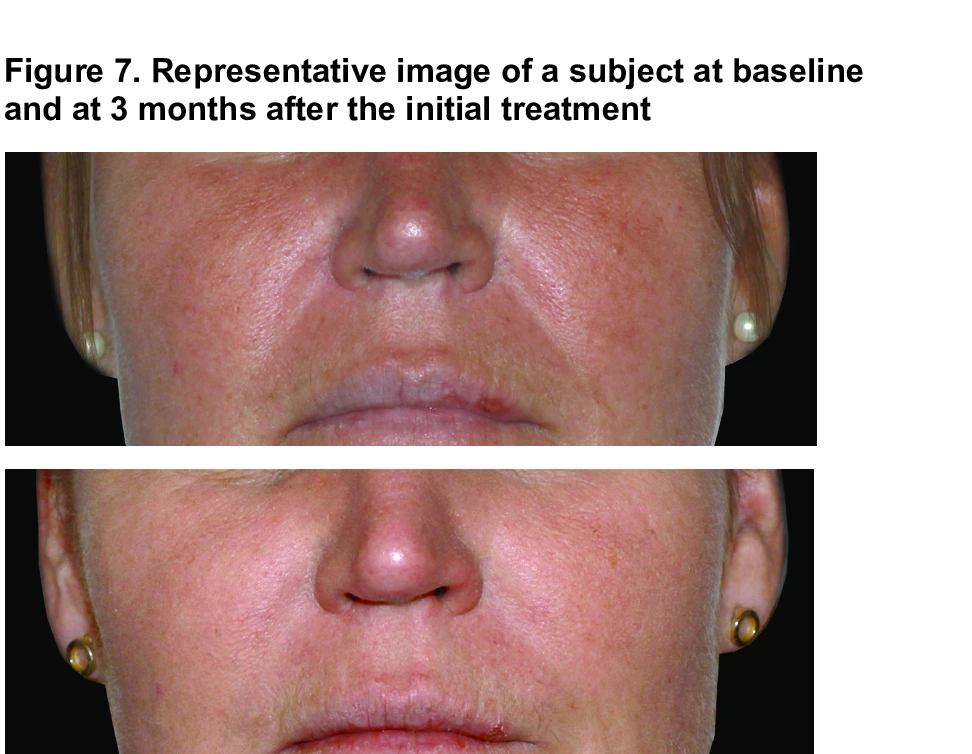
- DKL 23 mg/mL showed statistically significant improvement from baseline in NLF WSRS at all follow-up timepoints evaluated.
- DKL 23 mg/mL demonstrated outcomes comparable to Juvéderm Volift across all performance parameters tested during the study: WSRS and investigator- and subject-rated GAIS.
- The higher proportion of responders in the DKL 23 mg/mL group vs the Juvéderm Volift group at one month after treatment suggests better lifting capacity of the tissue.
- The improvement lasted for the duration of the study, which was 9 months.
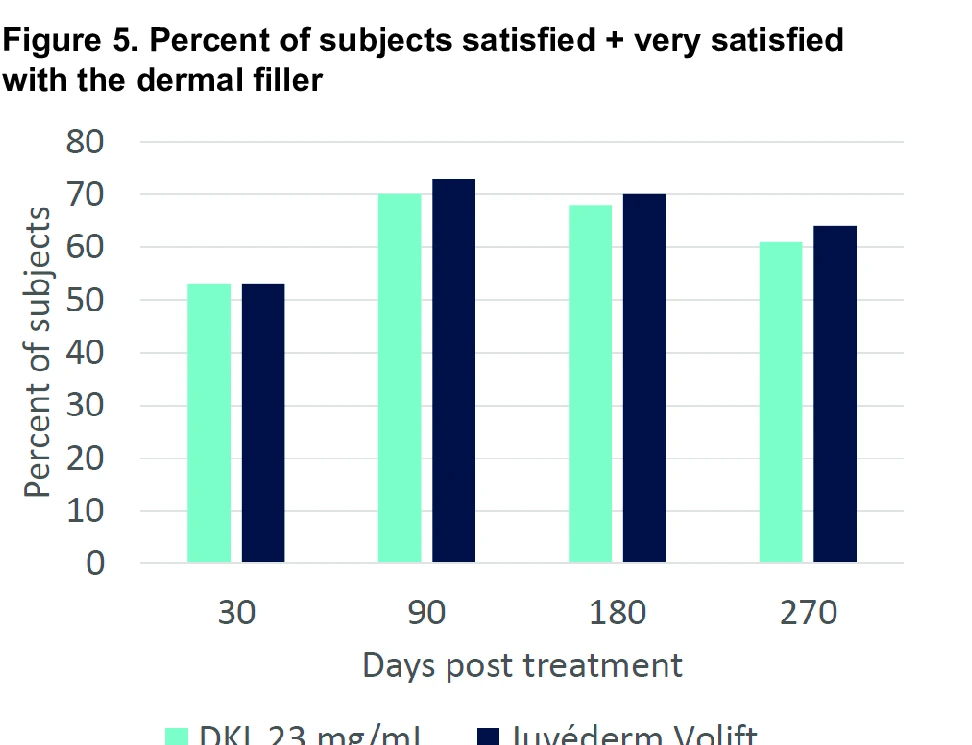
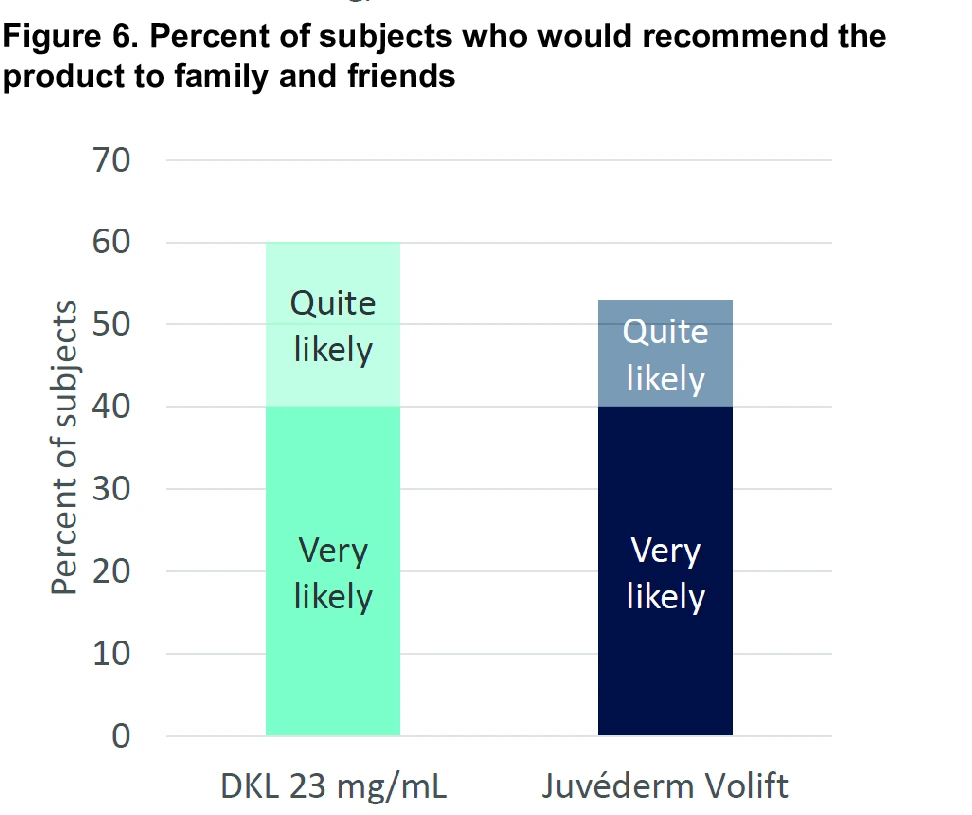
- Satisfaction with DKL 23 mg/mL was highly comparable to satisfaction with Juvéderm Volift throughout the study.
- The treatment was well tolerated with only transient AEs and with no serious or unexpected treatment-related AEs. The rate and type of AEs were comparable between both products.
References
- The Aesthetic Society. Aesthetic Plastic Surgery National Databank Statistics 2020–2021.
- Hermann JL et al. Biochemistry, physiology, and tissue interactions of contemporary biodegradable injectable dermal fillers. Dermatol Surg 2018; 44 Suppl 1, S19–S31.
- Day DJ et al. The wrinkle severity rating scale: a validation study. Am J Clin Dermatol. 2004; 5(1):49–52.
- Narins RS et al. A randomized, double-blind, multicenter comparison of the efficacy and tolerability of Restylane versus Zyplast for the correction of nasolabial folds. Dermatol Surg. 2003 Jun; 29(6):588–95.
Disclosure: the study was sponsored by Dr. Korman Laboratories Ltd. Poster reference Rad-MKT-015EN Rev. 01.